- DNPSR
- NPAQ
- WPSQ
Eind 19de eeuw voerde Robert Martin Collins, geïnspireerd door de oprichting van het eerste nationale park ter wereld (Yellowstone National Park in de VS), jaren lang campagne om ook in Queensland dergelijke beschermde gebieden te creëren. In 1908 kwam het er uiteindelijk van; Witches Falls (Tamborine, zuidoost Queensland) werd het eerste park van Queensland. Collins was helaas 2 jaar eerder al overleden. Romeo Lahey zette zijn werk voort hetgeen resulteerde in de totstandkoming van Lamington National Park in 1915.
Veel parken hebben banden met het aboriginalverleden en/of een naam die is afgeleid uit talen van de Aboriginals en/of is verbonden met legendes. Een voorbeeld is Girraween, dat plek met bloemen betekent en verbonden is met de Kambuwal stam. Bunya Mountains National Park was een van de belangrijkste ontmoetingsplaatsen. Ongeveer een keer per 3 jaar kwamen hier Aboriginals uit zuidoost Queensland en noord New South Wales naar toe om de noten van de bunya pine te oogsten.
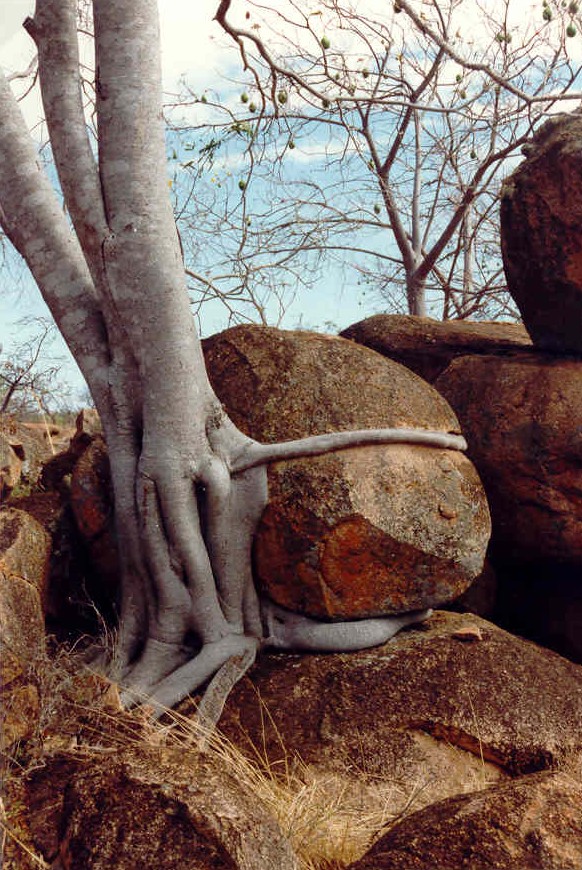 |
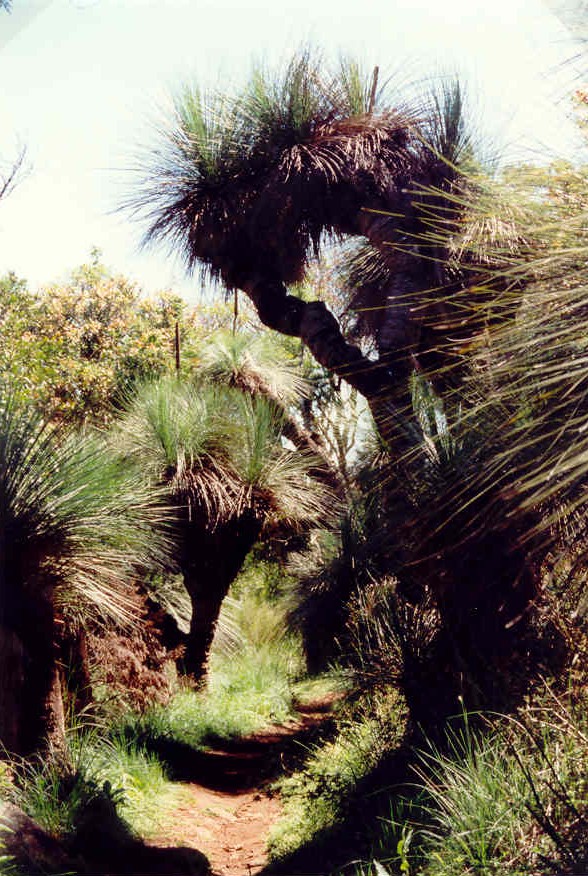 |
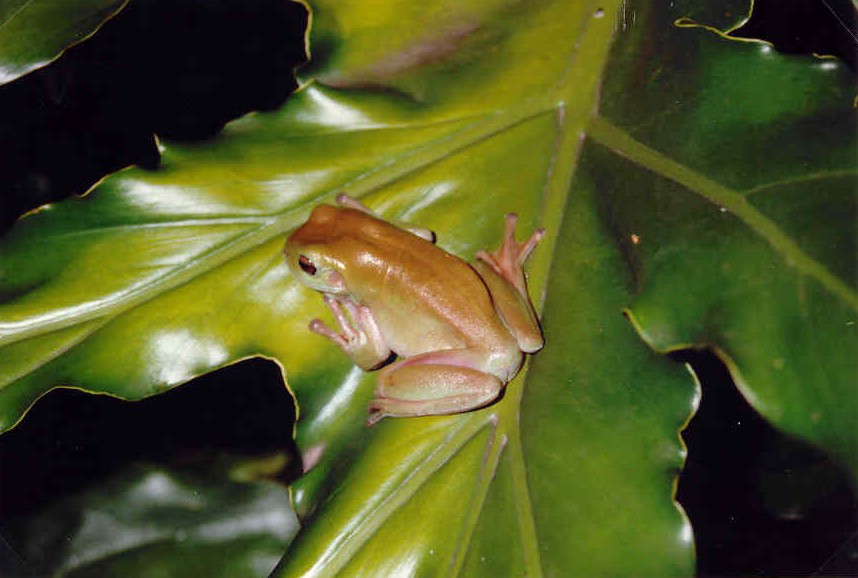 |
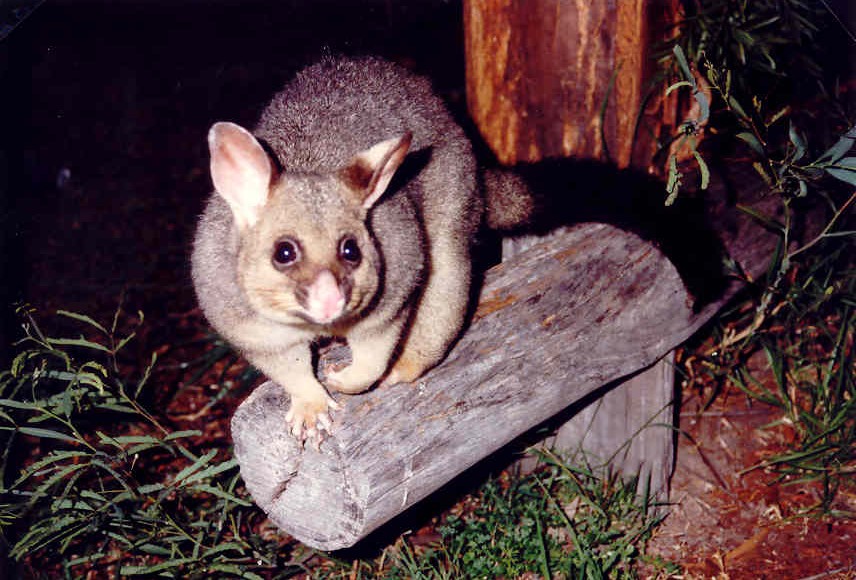 |
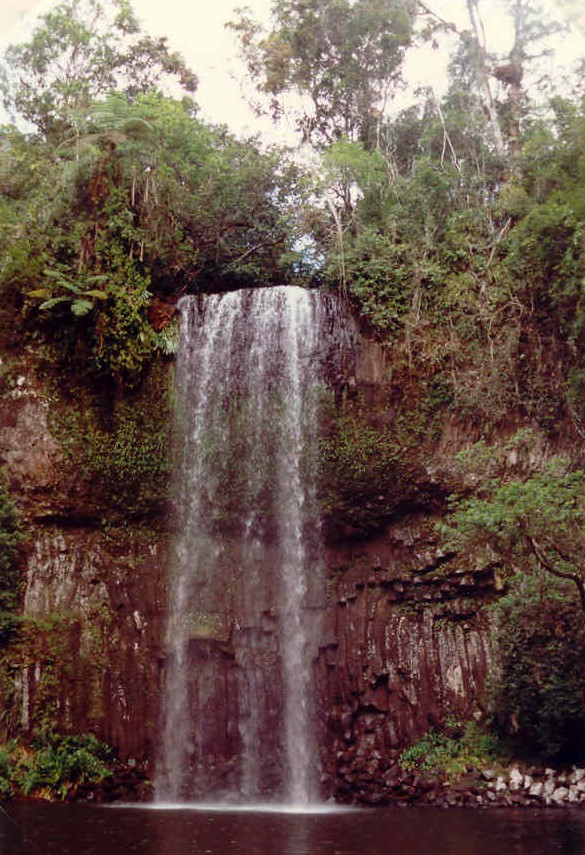 |
| Undarra Volcanic NP | Bunya Mountains NP | Girraween NP | Millaa Millaa Falls |
De National Park Association of Queensland (NPAQ) heeft als missie “To promote the preservation, expansion, good management and presentation of National Parks and the Protected Area Estate in Queensland and to ensure access to them is appropriate.” Deze organistatie probeert die haar missie te verwezenlijken door met politici en regeringsleden samen te werken én met stakeholders zoals de DNPSR/QPWS.
Wildlife Preservation Society of Queensland (WPSQ) is een organisatie die zich sinds 1962 inzet voor de natuur en het milieu van Queensland. De website van deze organisatie biedt o.a. de mogelijkheid om op de hoogte te blijven van allerlei nieuwsfeiten m.b.t. natuur en milieu.
Een voorbeeld: In mei 2012 meldt men verheugd dat de Australische regering de koala in Queensland, New South Wales en ACT als kwetsbaar beschouwd en dit dier in deze staten aan de lijst van bedreigde diersoorten toe heeft gevoegd. Volgens de WPSQ laat de regering hier mee zien dat “the government has respected and acknowledged the substantial body of peer-reviewed scientific advice that was provided and concluded that the alarming decline in koala numbers in Queensland and New South Wales must be addressed at the highest level. Issues surrounding the koala conservation crisis have progressed rapidly in recent years, as their numbers continue to decline. A group of concerned scientists established the Koala Research Network (KRN) as a place to collate cumulative research knowledge on the threats to the koala. The KRN has grown rapidly to incorporate more than 70 koala researchers”. Volgens de WPSQ heeft de KRN belangrijke informatie verstrekt die heeft bijgedragen aan dit regeringsbesluit. Recent onderzoek heeft o.a. de volgende feiten opgeleverd:
- De te verwachten klimaatveranderingen verkleinen het leefgebied in Queensland en New South Wales verder zuidoostwaarts;
- Sinds midden jaren 90 (vorige eeuw) is de koala-populatie in het zuidwesten van Queensland naar schatting met 80% verminderd;
- Ziekte blijft een sleutelfactor in de doodsooraak van koala’s.
Een ander mooi voorbeeld is de berichtgeving over niet inheemse onkruiden die enorm veel problemen kunnen veroorzaken. In mei 2012 zijn er 12 onkruiden toegevoegd aan de lijst van weeds of national significance. De WPSQ is erg blij dat gamba grass, Madeira vine en cat’s claw creeper op deze lijst staan. De website meldt: It is pleasing to see gamba grass on the list. Wildlife Queensland played a leading role in the successful campaign to have that species listed in Queensland several years ago. In spite of this grass being listed in Queensland as Category 2, this highly invasive weed has major infestations in Cape York and parts of coastal north Queensland and continues to spread. It is estimated that total extent is in excess of 60000ha. It is freely acknowledged that infestations of this pasture grass increase fire intensity up to eight-fold and cause a decline in the diversity and abundance of our wildlife.
Serious impacts occur to rainforest areas and vegetation along creeks and river systems by the cat’s claw creeper and Madeira vine. Introduced as garden plants these plants have spread devastating the natural habitat and leading to soil and bank erosion resulting in water quality issues.
The sources of these invasive plants are varied. Wildlife Queensland is a member of the Stop Invasive Species Alliance (SISA). One of the prime aims is to support the prime advocacy target - the establishment of an expert national body to collaborate on solutions to invasive species threats. With looming major reforms to our national biosecurity system, there are excellent opportunities to impact on the way the nation addresses this major threat to our biodiversity. It is well established that invasive plants and feral animals are second only to habitat loss as a threat to our biodiversity.
However it is not only listed species that are a concern to Wildlife Queensland. There are really aggressive weeds not making the WoNS list or Queensland’s Categories 1-3 weed lists that are having major environmental impacts. Such plants include Grader grass (Themeda quadrivalvis) and Thatch grass (Hyparrhenia rufa).